
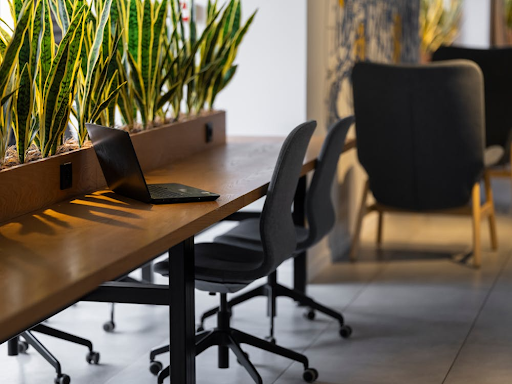
A third space or third place is an environment where people can feel at home without actually being at home. It’s that “in-between” setting where we can relax and connect.
Who Came Up with Third Spaces?
Sociologist Ray Oldenburg first popularized the idea of “third spaces.” in his 1989 book The Great Good Place, where he described these spaces as essential places to gather outside our homes and workplaces. Oldenburg believed these third spaces helped to nurture community, democracy, and everyday connection, offering neutral and welcoming places where people could feel a sense of belonging outside the pressures of work or home. Back when the concept of third spaces first emerged, they centered around community-made hubs like cafes and libraries.
Why Are Third Spaces Appealing to Gen Z and Millennials?
They Provide a Digital Detox
Constant connectivity leaves little room to breathe. Third spaces give people a way to go offline and experience a world that feels grounded.
They Spark Real-Life Discovery
Social media feeds can often feel repetitive so for a refreshing change of scenery, third spaces encourage serendipitous discovery. Whether it’s finding a hidden local shop, unique cafe, or an unexpected event, this experience sparks an authentic, in-person thrill that is better than any algorithms can’t replicate.
They Curate Human Connection
With loneliness on the rise, third spaces offer opportunities for face-to-face interaction. Whether it’s chatting with a local barista, joining an arts class, or meeting a friend at a bookstore, these moments, between work and school, make people feel seen and connected.
Cafés aren’t just about grabbing coffee anymore and leaving right after. They’ve slowly turned into places where people stay a little longer, whether it’s to work, catch up with someone, or just sit and exist without feeling rushed. More cafés, from small neighborhood spots to bigger concepts, are leaning into this idea of becoming a “third place,” somewhere that sits between home and work. A place where people can feel a bit more grounded, especially in a modern living that’s mostly happening through screens.